
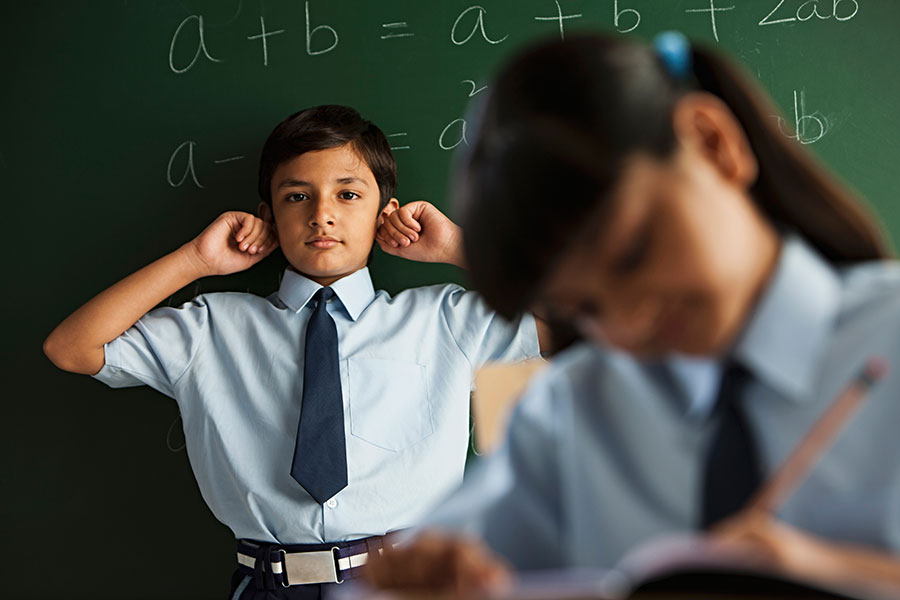
“AUTHORITARIAN(DICTATOR) PARENTS CREATE FOLLOWERS”
whereas
“AUTHORITATIVE PARENTS CREATE LEADERS”
Take a pause and remember how did you feel when you were given punishment as a child! Rather than understanding the cause of the faulty behavior, the child’s mind is filled with fear, disgust, humiliation, and embarrassment. The purpose of punishment is totally defeated!
Let’s dive into some facts about whether kids should be punished for their faulty behavior or if is there any other way that could replace punishment for inculcating discipline in kids.
There are basically 6 motives for instilling the value of discipline in kids:
- Developing character and values
- Replacing an unwanted behavioral trait with a positive trait
- Maintaining long-term respect and developing a strong bond with your child.
- Protecting their mental health and making them emotionally strong
- Imbibing a sense of responsibility to choose the right and thus enhancing their decision-making skills.
- Achieving high-level targets for improved academic performance.
WAYS TO ACCOMPLISH THESE 6 MOTIVES:
1. BE A ROLE MODEL-
A child always watches his/her parent as he grows up and subconsciously unknowingly picks up the parent’s habits and behavioral patterns. Hence, ‘A disciplined parent creates a disciplined child without the efforts of disciplining.’
2. SET A CODE OF CONDUCT WITH WELL-DEFINED RULES IN CONSULTATION WITH THE CHILD AFTER DISCUSSING THE PROS AND CONS-
For an infant, the disciplinary clock for feeding, sleeping, and playing stays maintained. But as he grows the routine revolves around the school timings. At this age, it is of utmost importance to create atomic habits in the child. This could be ensured by either demonstrating the effects of indiscipline by letting the child experience the pros and cons of indiscipline. Once this level of understanding is achieved, then the parent can sit with the child and chalk out a code of conduct or a set of rules which need to be strictly followed, the breach of which should be dealt with serious consequences. Thus the child becomes responsible and mature.
3. RE-EVALUATION OF THE RULES AS PER THE CHANGES IN SITUATION-
It is invariably found that the child escapes through the opportunity window whenever the situation doesn’t match the set of rules. For instance, discipline may go haywire during a vacation or an examination. During such times, the rules need to be re-evaluated.
4. CONSISTENCY AND BEING FIRM:
This is the main key. The parent needs to be consistent not only in exercising the rules but also in the reprimand action which is already pre-decided by both. The parent need not take harsh stringent actions for the breach in the rules but needs to be firm and stick to the rules which are set.
5 . HEAR THEM OUT:
After all the points noted above, an empathetic parent will still keep a session wherein he listens (not just hears) to the child if, after implementing the rules, faces any difficulty. Rules can be bent and mended if need be after discussing them again with the child. This will open up new avenues in the mind of the child, equips him to make better choices, and ensures a timeless strong bond between the child and parent.
THUS, THE PARENTS HAVE A CHOICE OF:
- Using punishment by spending less energy and the results would be – kids appear perfectly disciplined with good manners but there are chances of many mental health issues while they grow up.
- Using patience with more energy and the results would be that kids can learn right from wrong and grow up with great mental health.
THE MAIN DIFFERENCE BETWEEN PUNISHMENT AND DISCIPLINE IS –
1. DISCIPLINE DEVELOPS RATIONAL THINKING AND TEACHES PROBLEM-SOLVING. PUNISHMENT INSTILLS FEAR IN THE MINDS OF KIDS AND PARALYSES THEIR THINKING CAPACITY OF THE CHILD. 2. DISCIPLINE CHANNELISES POSITIVE THOUGHT PROCESSES PUNISHMENT ATTACKS THE EMOTIONAL AREA OF THE BRAIN AND THESE KIDS RESPOND IN EITHER FIGHT OR FLIGHT MODE. 3. DISCIPLINE CREATES INDIVIDUALS WHO ARE RESOURCEFUL, THOUGHTFUL, ALL ROUNDED, WITH GOOD PROBLEM-SOLVING AND DECISION-MAKING SKILLS. HARSH PUNISHMENT CREATES INDIVIDUALS WHO EXHIBIT BULLYISM AND CERTAIN ANTI-SOCIAL BEHAVIOUR. 4. DISCIPLINED INDIVIDUALS CAN EXERT GOOD SELF-CONTROL AND ARE WELL EQUIPPED TO HANDLE THEIR EMOTIONS. PUNISHMENT INSTILLS FEAR IN THE MINDS OF KIDS AND THEY ARE UNABLE TO HANDLE THEIR EMOTIONS AND GET EASILY DIVERTED TOWARD ANTISOCIAL BEHAVIOUR.
- IN CONCLUSION, I WOULD SUGGEST ‘ RESPECT COMMANDS RESPECT’. PARENTS SHOULD SET CERTAIN BOUNDARIES THAT MAINTAIN THE RESPECT AND DIGNITY OF THE CHILD. IRRESPECTIVE OF THE AGE OF THE CHILD-
- AVOID SPEAKING HARSH NEGATIVE ABUSIVE VOCABULARY FOR YOUR CHILD
- BE CONSISTENTLY FIRM NOT HARSHLY STRICT ON THE TERMS OF REPRIMAND ACTION PRE-DECIDED BY BOTH PARENT AND CHILD.
- THIS WILL MOULD THE CHILD INTO A BALANCED, MATURE, CONFIDENT, AND A MENTALLY HEALTHY ADULT.
- PUNISHING THE CHILD BY SPENDING LESS ENERGY WITHOUT MAKING THE CHILD AWARE OF THE EFFECTS AND THE RESULTS WOULD BE
- KIDS FOLLOW DISCIPLINED BEHAVIOUR WITH GOOD MANNERS BUT MOSTLY THEY SUFFER FROM MENTAL HEALTH ISSUES WHILE THEY GROW UP.
- USING PATIENCE WHICH DEMANDS MORE ENERGY BUT ITS WORTH IT, BECAUSE THE RESULTS WOULD BE- KIDS ARE ABLE TO LEARN RIGHT FROM WRONG AND GROW UP WITH GOOD MENTAL HEALTH.